Chinese Dining Culture: Traditions, Etiquette, and Family-Style Eating
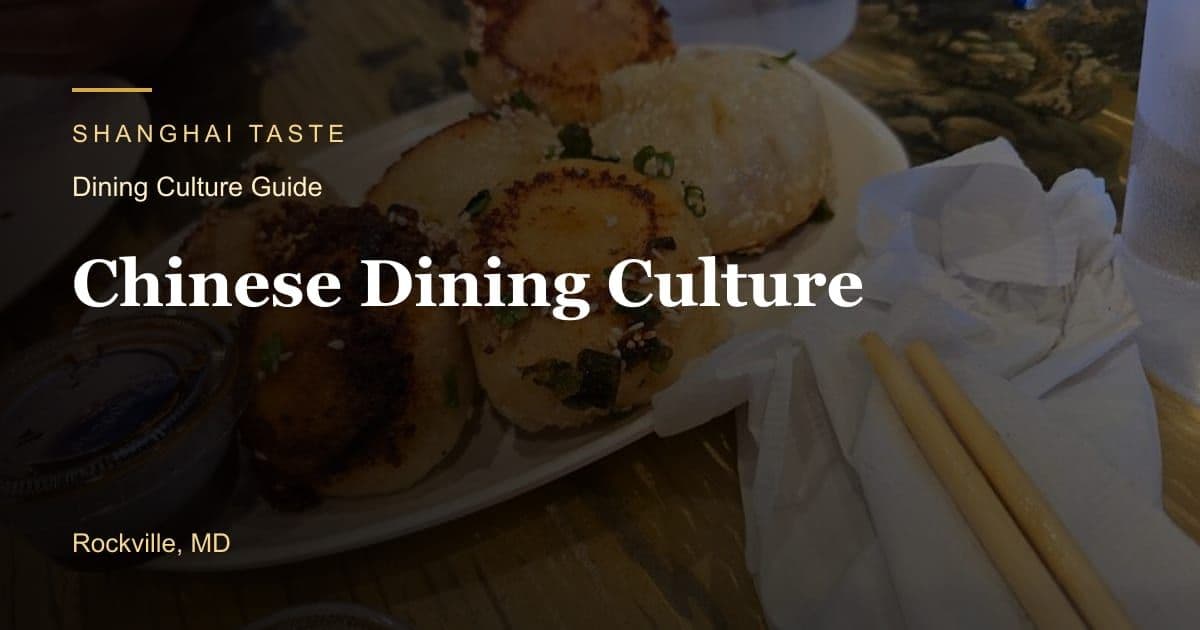
Eating Chinese food is about more than the dishes. It is about how the meal unfolds. The round table. The spinning lazy Susan. Tea poured for everyone before yourself. Chopsticks reaching into shared plates. Dining as a group activity. One of the oldest and most generous traditions in Chinese culture.
At Shanghai Taste in Rockville, MD, we watch first-timers and regulars alike go through this experience every day.
Family Style: The Heart of Chinese Dining
Western dining means you order your dish and eat your plate. Chinese dining means the table orders together and everyone shares. Dishes arrive as they are ready, not in courses. Each person takes a portion from the communal plate. Rice is served individually. Everything else belongs to the table.
This structure reflects a deeper value: eating is a collective act. Business happens over shared plates. Families reconcile over shared plates. First dates figure out the lazy Susan together.
How to do it: Take one portion at a time. Do not hoard the last piece. Offer it to others first. Use the serving spoon when one is provided. If you are with a group, order a mix of proteins, vegetables, and starches so there is something for everyone.
The Lazy Susan (餐桌转盘)
The spinning glass surface at the center of a Chinese round table is not for convenience. It is for equality. Everyone can reach every dish. No one sits at the "head" of the table. The lazy Susan makes the meal democratic.
How to use it: Spin slowly. Before you spin, check that no one is serving themselves. When you place a new dish on the table, give it a half-turn so everyone can see it.
Tea Culture
Tea arrives before anything else, usually jasmine, oolong, or pu-erh. It is not an optional drink order. It is part of the meal.
Pouring etiquette: Fill other cups before your own. When someone pours tea for you, tap two fingers on the table near your cup. This gesture traces back to the Qing Dynasty. It means "thank you." If your cup is empty and someone notices, they will fill it. Return the gesture.
This is not ceremonial formality. It is casual attentiveness. The same instinct that makes you hold a door open for the person behind you.
Chopstick Basics
You do not need to be graceful. You do need to avoid a few things:
- Do not stick chopsticks upright in rice. This resembles incense at a funeral.
- Do not point with chopsticks. Point with your hand instead.
- Do not spear food. It is not a fork. If something is slippery, use a spoon or ask for help.
- Use the opposite end of your chopsticks to serve yourself from communal plates if no serving utensils are provided.
Lunar New Year Food Traditions
Chinese New Year (Spring Festival) is the most important meal of the year. Every dish carries meaning:
- Dumplings (jiaozi) shaped like ancient Chinese gold ingots. They symbolize wealth.
- Whole fish: the word for fish (鱼, yú) sounds like "surplus." It represents abundance.
- Long noodles for a long life. Do not cut them.
- Spring rolls: golden and cylindrical, like gold bars.
- Nián Gao (年糕): sticky rice cake. The name means "year high." Rising fortunes.
If you visit Shanghai Taste around Chinese New Year, you may find special dishes on the menu that you will not see the rest of the year. Ask us what is cooking. We love talking about this tradition. For more about the dishes themselves, read our guide to Shanghainese cuisine.
Finishing the Meal
In Chinese restaurants, you ask for the check. It does not arrive automatically. Rushing a table through the end of a meal is rude. You are meant to linger, drink one more cup of tea, and let the conversation settle.
When the check does come, there is often a friendly scuffle over who pays. If you are the host, insist. If you are the guest, reach for it once and then concede. The dance is part of the ritual.
Before you leave: finish your tea. Leaving a full cup behind misses the point.
See what is on the menu today. Experience Chinese dining culture for yourself.
Sources and Further Reading
Frequently Asked Questions
What is the etiquette for pouring tea at a Chinese restaurant?
Fill other people's cups before your own. When someone pours tea for you, tap two fingers on the table near your cup as a gesture of thanks — a tradition that traces to the Qing Dynasty. If your cup is empty and someone notices, they will fill it. Return the favor.
What foods are traditionally eaten at Chinese New Year?
Traditional Chinese New Year dishes include dumplings (jiaozi, shaped like gold ingots to symbolize wealth), whole fish (the word for fish sounds like 'surplus'), long noodles (for long life — do not cut them), spring rolls (golden like gold bars), and Nián Gao sticky rice cake (the name means 'year high,' symbolizing rising fortunes).
What are the chopstick etiquette rules at a Chinese restaurant?
Do not stick chopsticks upright in rice — it resembles incense at a funeral. Do not point with chopsticks; use your hand instead. Do not spear food. When serving yourself from communal plates, use the opposite (clean) end of your chopsticks or the provided serving spoon.