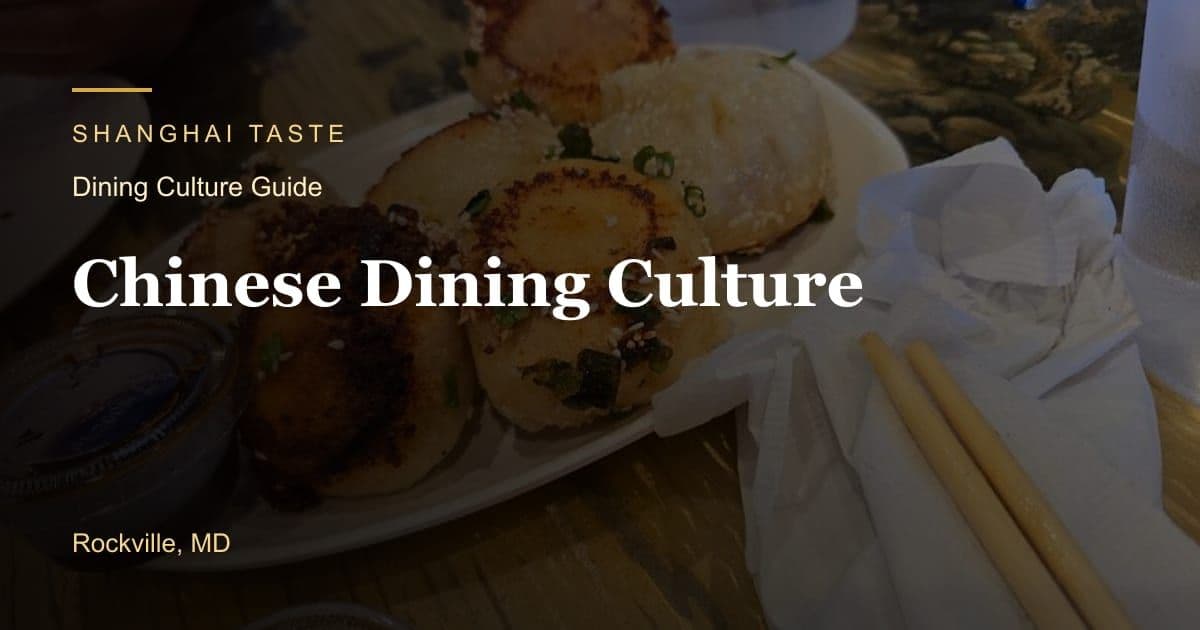
The Chinese New Year reunion dinner (nián yè fàn / 年夜饭) is the most important meal of the year, and nearly every dish on the table is chosen for what it symbolizes: dumplings for wealth, whole fish for surplus, long noodles for long life, and sweet rice cake for rising fortunes. Eaten family-style on the eve of the Lunar New Year, it is less a menu than a set of wishes made edible. This guide covers the classic dishes, what each one means, and how to build a reunion meal to share.
You do not need to know a word of Mandarin to feel the pull of this meal. The whole point is that the table wishes good things onto the people around it.
Why the Reunion Dinner Matters
Spring Festival is China's most important holiday, and the reunion dinner is its heart. Families travel long distances to eat together on New Year's Eve. The meal is generous by design: more dishes than the table can finish, because abundance itself is the wish. Everything is shared from the center, the way Chinese family-style dining always works, only more so.
The Lucky Foods and What They Mean
Most reunion dishes carry meaning through a pun, a shape, or a color. The classics:
| Dish | Why it is lucky |
|---|---|
| Dumplings (jiaozi) | Shaped like ancient gold ingots — they symbolize wealth |
| Whole fish (yú) | The word for fish sounds like "surplus" — leave some uneaten for abundance |
| Long noodles | Uncut, they stand for a long life — never cut them |
| Spring rolls | Golden and cylindrical, like bars of gold |
| Nián Gao (年糕) | Sticky rice cake — the name means "year high," for rising fortunes |
| Tangyuan | Round glutinous rice balls — roundness means family togetherness |
Dumplings are the anchor. Northern families fold jiaozi together on New Year's Eve, sometimes hiding a coin in one for extra luck. In Shanghai, the table also leans on sweet-savory braises like Hong Shao Rou (red-braised pork belly), glossy and rich, exactly the kind of celebratory dish a reunion calls for.
How to Build a Reunion Meal
A good reunion table balances symbolism with variety. A simple framework:
- Start cold. Two or three cold appetizers — drunken chicken, smoked fish, marinated tofu — to open the meal.
- A whole fish for surplus, steamed with ginger and scallion.
- A rich braise like red-braised pork belly for celebration.
- Dumplings or soup dumplings for wealth. Our handmade Xiao Long Bao fit the moment.
- A noodle dish for long life, served uncut.
- Something sweet — Nián Gao or tangyuan — to close on rising fortunes.
Celebrating at Shanghai Taste
At Shanghai Taste in Rockville, MD, we cook Shanghainese food the way families make it at home, which is exactly the spirit of the reunion dinner. Around the Lunar New Year you may find special dishes on our menu that you will not see the rest of the year — ask us what is cooking. Browse the full menu to plan your table, or read our first-timer ordering guide if you are new to sharing a Chinese meal family-style.
Sources and Further Reading
Frequently Asked Questions
What foods are eaten at a Chinese New Year dinner?
A Chinese New Year reunion dinner centers on lucky foods: dumplings (jiaozi, shaped like gold ingots for wealth), a whole fish (the word for fish sounds like 'surplus'), long uncut noodles (for long life), spring rolls (golden like gold bars), Nián Gao sticky rice cake (the name means 'year high,' for rising fortunes), and round tangyuan (for family togetherness). In Shanghai the table also includes sweet-savory braises like red-braised pork belly.
Why is the Chinese New Year reunion dinner important?
The reunion dinner (nián yè fàn) is eaten on Lunar New Year's Eve and is the most important meal of the year. Families travel long distances to eat together. The meal is deliberately abundant — more dishes than the table can finish — because abundance itself is the wish for the year ahead. Everything is shared family-style from the center of the table.
What does each Chinese New Year dish symbolize?
Dumplings symbolize wealth (their shape resembles ancient gold ingots), whole fish symbolizes surplus (the word for fish sounds like 'surplus'), long noodles symbolize a long life and must not be cut, spring rolls symbolize gold bars, and Nián Gao sticky rice cake symbolizes rising fortunes because its name means 'year high.' The symbolism usually works through a pun, a shape, or a color.